Reiki Course for Beginners, Practitioners and Advanced Learners
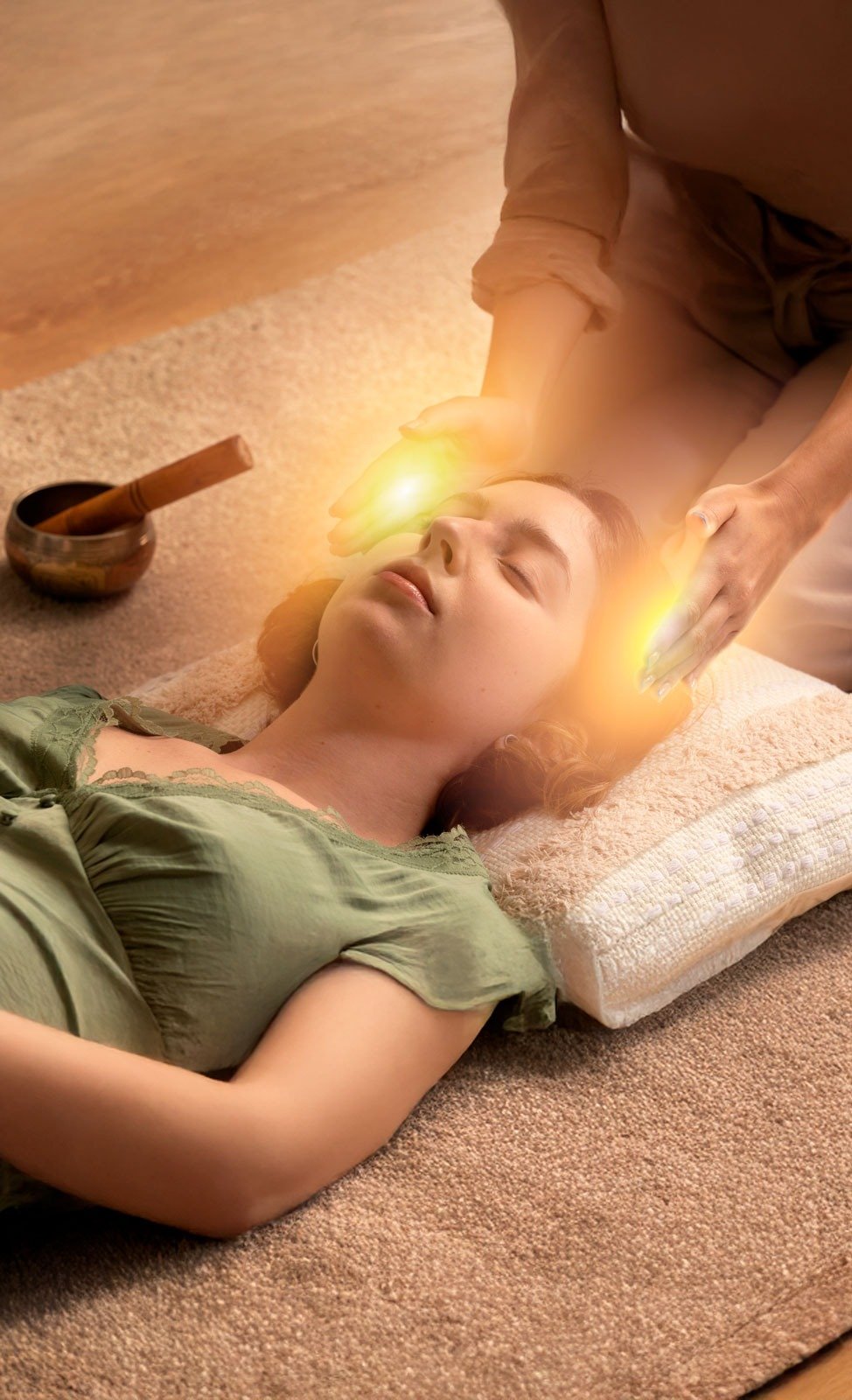
A Reiki Course is a structured way to learn the principles, practices, and traditions associated with Reiki healing. For someone searching for Reiki training, the important question is not simply what certificate is offered, but what they will actually learn and practice. A well-organized course can take a learner from basic Reiki concepts and self-healing through hand positions, meditation, symbols, distance practices, attunement concepts, client sessions, and advanced teacher training. Reiki is commonly associated with Mikao Usui and the Japanese Reiki tradition, while different schools have developed their own teaching methods and lineages over time.
This course brings foundational and advanced subjects together so learners can understand the progression before choosing their preferred level of studying.
Contact Us For Enrollment
+91-9810816923
What Do You Learn in a Reiki Course?
The course follows a progressive path from personal Reiki practice to advanced techniques, practitioner skills, attunement knowledge and preparation for teaching.
-
Start with Reiki Fundamentals:
Learn Reiki history, principles, energy concepts, chakras, aura awareness, grounding, meditation and basic self-healing so you understand the foundation before moving into advanced practice. -
Build Practical Healing Skills:
Practice Reiki hand positions for yourself and others, while learning cleansing, protection, centering and session preparation techniques that help turn theoretical learning into structured hands-on practice. -
Understand Reiki Symbols:
Explore Reiki symbols, their traditional context and applications as they appear within different training levels, rather than treating symbols as isolated drawings without understanding their place in practice. -
Explore Advanced Reiki Practices:
Progress into moving meditation, symbol meditation, crystal grids, hands-free Reiki, manifestation practices, breathwork, grounding, brain balancing and other techniques included in advanced course levels. -
Learn About Reiki Attunements:
Study the purpose and process of attunements within the course lineage, including practitioner, healing, self and distance attunement methods introduced at progressively advanced stages. -
Prepare for Practitioner Work:
Learn how to structure client sessions, communicate responsibly, review practical case studies, understand professional boundaries and approach Reiki practice with appropriate ethics and clear expectations. -
Develop Reiki Teaching Skills:
Advanced training introduces master teacher concepts, lineage, meditation, attunement methods and teaching preparation for learners who want to progress beyond personal practice.
Reiki Syllabus
Level 1
-
Introduction to Reiki
-
History and Origin of Reiki
-
Principles of Reiki Healing
-
Universal Life Force Energy Concept
-
Chakras and Their Functions
-
Aura and Energy Field Understanding
-
Energy Blockages and Their Causes
-
Hand Positions for Self-Healing
-
Hand Positions for Healing Others
-
Reiki Level 1 Attunement
-
Reiki Symbols and Their Meanings
-
Power Symbol and Its Application
-
Emotional and Mental Healing Techniques
-
Distance Healing Techniques
-
Energy Cleansing and Protection Methods
-
Grounding and Centering Practices
-
Meditation Practices in Reiki
-
Ethics and Responsibilities of a Reiki Healer
Level 3
- Ancient Origins of Reiki explored
- About Master symbol
- Reiki moving Meditation
- Symbol meditation
- Manifesting Goals
- Learn hands free reiki
- Crystal grid
- Psychic surgery
- Contracting the Hui yin point.
Level 5
- Usui reiki lineage
- More explanation of symbols
- Japanese reiki techniques
- Breath meditation
- Grounding exercise
- Brain balancing
- other powerful symbols and their uses
- Chinese symbols
- Other ancient symbols
- Laser reiki
- Reiki grandmaster Attunement etc
How This Reiki Course Can Help You Learn More Clearly
The purpose of a progressive Reiki Course is to give learners a logical route through the subject instead of presenting advanced techniques before they understand the basics. Beginners can start with Reiki principles, meditation, hand positions and self-practice, while experienced learners can explore symbols, distance healing, attunements and teacher-level subjects.
The course also gives prospective students something practical to evaluate before enrolling: what is taught, how the levels progress, whether practice is included, what lineage the teacher follows, and what the certification actually represents.
This matters because Reiki education is not completely standardized across every school. Different organizations and teachers may combine traditional Japanese practices with later Western or lineage-specific approaches. For example, published Reiki training outlines can differ in their treatment of symbols, attunements and Japanese techniques.
For that reason, learners should understand the teaching approach rather than choosing a Reiki Course only because it has a particular number of levels.
Frequently Asked Questions
What is a Reiki Course?
A Reiki Course is structured training in Reiki principles and practices. Depending on the level and lineage, it can cover self-healing, hand positions, meditation, symbols, distance Reiki, attunements, client practice and teacher training.
Is a Reiki Course suitable for beginners?
Yes. Beginners generally start with foundational subjects such as Reiki history, principles, meditation, energy concepts and self-healing before progressing toward practitioner and advanced Reiki subjects.
What is taught in Reiki Level 1?
Reiki Level 1 commonly introduces Reiki history, principles, hand positions, self-healing, meditation, energy awareness and introductory attunement practice. The exact curriculum can vary between teachers and Reiki lineages.
What is the difference between Reiki Level 1, Level 2 and Master training?
The levels generally represent increasing depth of practice. Level 1 emphasizes foundations and self-practice, Level 2 commonly introduces additional symbols and distance practices, while Master-level training can include advanced practice and instruction in teaching or attunement methods.
Can Reiki be used instead of medical treatment?
Reiki should not be presented as a replacement for medical diagnosis or treatment. People considering Reiki for a health concern should continue appropriate medical care and discuss complementary practices with a qualified healthcare professional when necessary.